

Thermal Expansion Problems: The Silent Cause of Repeated Water Heater Leaks
Water heater leaks are one of those frustrating issues that seem to happen out of nowhere. You fix one leak, and before long, another appears. Many homeowners assume it’s a faulty tank or aging unit, but in many cases, the real culprit is something you can’t see, thermal expansion. This invisible process puts stress on your plumbing system and can silently cause repeated water heater leaks over time.
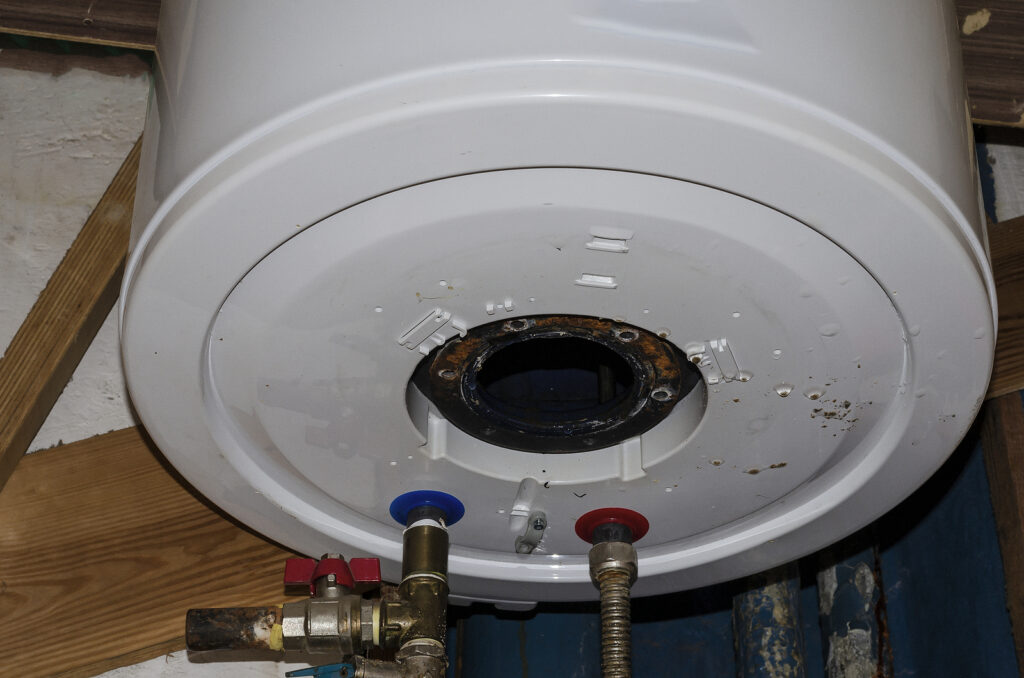
At Edmond’s Rooter-Man Plumbers, we’ve seen countless cases in Tomball, Northwest Houston, TX, and surrounding areas where homeowners replaced their water heater only to have leaks return months later. The cause? Thermal expansion was never addressed. Understanding how this works and how to prevent it can save you from costly repairs and early system failure.
What is Thermal Expansion?
Every time your water heater heats water, the liquid inside expands. This is a basic law of physics: water expands when it’s heated. In an open plumbing system, the extra pressure can usually flow back into the main water supply. But modern homes often have closed plumbing systems, equipped with backflow prevention devices or check valves that stop water from flowing backward.
When this happens, the expanding water has nowhere to go. The result is a rise in internal pressure inside your water heater tank and plumbing system. Over time, that pressure can stress joints, valves, and seals, eventually causing leaks or even ruptures.
Why Thermal Expansion Becomes a Hidden Problem
Thermal expansion happens gradually, so most homeowners never notice it until damage appears. The tank might develop a small leak, the pressure relief valve might start dripping, or fittings might loosen. At first glance, it looks like normal wear and tear, but the real cause is the constant buildup of pressure every time the heater runs.
In newer homes with high-efficiency plumbing setups, the risk is even greater because backflow preventers are now standard in most systems. Without an expansion tank or proper pressure control, the water heater becomes the only place for that pressure to build, and that’s when leaks begin.
Signs of Thermal Expansion Damage
It’s easy to overlook thermal expansion because the signs mimic other plumbing issues. Watch for these red flags that often point to expansion problems:
- Frequent leaks around the tank or fittings
- Dripping pressure relief valve (T&P valve)
- Popping or creaking sounds from the tank
- Fluctuating water pressure in your plumbing system
- Shortened water heater lifespan
- Water pooling near the base of the unit
If you keep repairing leaks but they keep coming back, your plumbing system may be experiencing thermal expansion. A professional plumber can test your water pressure and identify if expansion is causing stress on your system.
How Thermal Expansion Causes Repeated Leaks
Imagine your water heater tank as a balloon. Each time the water heats up, pressure pushes against the walls of that “balloon.” Without somewhere for that extra volume to go, it expands until the weakest point gives way. Sometimes it’s a valve, other times it’s a seam in the tank.
Even small daily pressure spikes can fatigue the metal over time, leading to hairline cracks and slow leaks. If the temperature and pressure relief valve (T&P valve) activates frequently, that’s a clear indicator that your system is over-pressurized. Eventually, that stress will lead to leaks around connections or fittings, even after they’ve been replaced.
The Role of Expansion Tanks
An expansion tank is one of the most effective ways to prevent thermal expansion damage. It’s a small, air-filled tank installed on your cold-water line, near the water heater. Inside, there’s a rubber bladder that flexes as water expands, giving the excess pressure somewhere to go instead of forcing it into your plumbing system.
Expansion tanks are not only recommended but often required by local plumbing codes in areas with closed systems. They help regulate water pressure, reduce stress on pipes, and extend the lifespan of your water heater.
Without one, your water heater’s components act as the pressure buffer, and that’s when you get leaks, premature wear, and even tank bursts.
How Plumbers Diagnose Thermal Expansion
Professionals use pressure gauges and monitoring tools to measure fluctuations in your system. If the pressure rises dramatically each time the heater runs, that’s a clear sign of thermal expansion.
A plumber may also inspect the T&P valve, the condition of fittings, and check for signs of fatigue around the tank seams. In some cases, they might test your backflow preventer or shut-off valve to confirm whether the system is closed. Once confirmed, the next step is usually installing or replacing an expansion tank and setting it to the proper pressure level.
Why Ignoring Thermal Expansion is Dangerous
Ignoring this issue can lead to more than just leaks. Continuous pressure spikes can cause severe damage to your water heater, including:
- Tank deformation or cracks
- Burst supply lines
- Damage to valves and seals
- Reduced efficiency and lifespan
- Increased risk of water damage to your home
A water heater is designed to handle normal operating pressures, but not the daily surge caused by trapped expansion. Left unchecked, this silent problem can cost far more in damage and replacements than installing preventive equipment.
How to Protect Your Water Heater from Expansion Damage
Preventing thermal expansion isn’t complicated, but it does require professional attention. Here are key steps to protect your system:
- Install an expansion tank if you have a closed plumbing system.
- Check your home’s water pressure regularly; it should stay between 40–60 PSI.
- Inspect your T&P valve at least once a year to ensure it functions properly.
- Flush your water heater annually to prevent sediment buildup that adds stress.
- Have your plumbing system inspected by a professional to confirm proper expansion control.
Homeowners in Tomball and Northwest Houston often experience higher-than-average water pressure due to municipal systems, which makes these precautions even more important.
Why Professional Installation Matters
DIY solutions often fall short when it comes to thermal expansion control. Expansion tanks must be sized correctly based on your water heater capacity, system pressure, and temperature settings. Incorrect installation can make the tank ineffective or even cause new problems.
Edmond’s Rooter-Man Plumbers ensures every component of your system, from the water heater to the valves and expansion tanks, is calibrated for long-term performance. Our licensed professionals use top-quality materials and test every setup to make sure your water heater runs safely and efficiently.
Common Water Heater Issues in Tomball and Northwest Houston
Homeowners in this region often face unique challenges related to water quality and temperature fluctuations. Some of the most common issues include:
- High water pressure is stressing older plumbing
- Hard water is causing mineral buildup in tanks
- Frequent cycling of T&P valves due to thermal expansion
- Aging or improperly installed water heaters
- Lack of thermal expansion control in older homes
Our experienced team can identify the root cause and provide lasting solutions, not just temporary fixes.
FAQs About Thermal Expansion and Water Heater Leaks
1. What causes water heater leaks to return after repair?
Thermal expansion often builds up pressure that reopens weak spots or creates new leaks, even after repairs.
2. Do I need an expansion tank for my water heater?
Yes, especially if you have a closed plumbing system with a backflow preventer. It helps control excess pressure.
3. How can I tell if thermal expansion is happening in my system?
Frequent leaks, a dripping pressure valve, or high water pressure readings are common signs of expansion.
4. How long does an expansion tank last?
Most last between 5 to 10 years with proper maintenance, but annual inspections are recommended.
5. Can thermal expansion damage other plumbing fixtures?
Yes. It can stress pipes, valves, and even appliances connected to your water system.
Protect your home from hidden thermal expansion damage. Call Edmond’s Rooter-Man Plumbers at 281.351.4422 for expert water heater service today!