

How To Select the Right Cleaning Method by Pipe Material: Cable, Jet, or Descaling
Home drains don’t clog the same way, and pipes don’t age the same way either. A smart fix starts with the pipe you have and the gunk inside it. PVC hates hard scraping, cast iron builds flaky scale, clay attracts roots, and every line responds best to a specific tool. Pick the wrong method and the clog may come back fast or the pipe may suffer. Pick the right one and the line opens cleanly, flows better, and stays that way longer. This guide breaks down cable snaking, hydro jetting, and descaling in plain language so you can match each method to the pipe material and the problem at hand. The goal stays simple: clear the line fast, protect the pipe, and prevent the next headache in Tomball and across Northwest Houston.
Know Your Pipe: PVC/ABS, Cast Iron, and Clay
PVC/ABS shines in newer homes. Smooth walls resist buildup, but grease films and food scraps can glue themselves to elbows. Cast iron lives in many mid-century houses. It turns rough inside as mineral scale flakes and rust blooms, which catch paper and sludge. Clay or terra cotta shows up in older laterals, often with roots sneaking in at the joints. A quick material check guides tool choice. Techs confirm with a camera, then plan the attack. PVC responds well to controlled jetting and gentle cable heads. Cast iron benefits from descaling to knock down roughness. Clay calls for careful cutting and jetting to remove roots without cracking joints. Matching the method to the material keeps the fix clean and the pipe safe.
Cable Snaking: Fast Relief for Localized Plugs
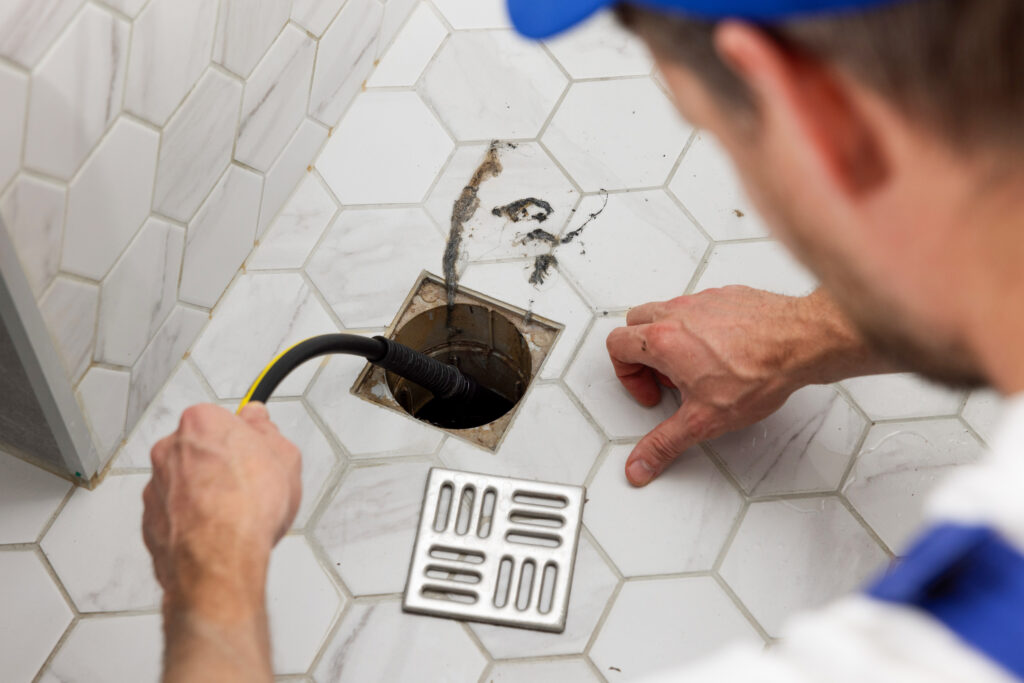
Cable snaking excels on tight, local clogs. A sectional or drum machine drives a cable with a small cutting head through a sink, tub, or toilet line. The head breaks wads of hair, paper plugs, or a fork that slipped into the disposal. Snaking reaches around bends and through traps with speed, so you get quick relief. This tool does not polish pipe walls or remove grease films; it just opens a passage. Technicians pick cable size and head type to match the pipe and fixture. On PVC, they use gentle angles and steady feed. On older cast iron, they avoid aggressive scraping that can gouge thin areas. After snaking, a tech runs water, listens for gurgles, and watches for rebounds that hint at deeper trouble.
Hydro Jetting: Best for Grease, Sludge, and Soft Roots
Hydro jetting uses water at controlled pressure through a nozzle that both pulls itself forward and washes backward. The spray scours grease, food residue, and soap sludge off the pipe wall, then flushes it to the main. Jetting also shreds fine root hairs and rinses them out after mechanical cutting. PVC, cast iron, and clay can all benefit when a pro sets the pressure and picks the right nozzle. Kitchens love jetting, because grease caps return fast after a simple cable run. Cast iron also benefits from a “polish pass” that smooths the bore after descaling. Clay laterals clean well with a root-cutting sequence plus jet rinse. A camera check after jetting confirms a clean, round flow path and spots cracks or offsets that need repair work, not just cleaning.
Descaling: The Cure for Rough, Flaky Cast Iron
Cast iron builds scale that turns the inside of the pipe into sandpaper. That texture grabs paper and wipes and creates recurring clogs. Descaling solves the root cause. A chain or carbide head spins at a controlled speed and knocks brittle scale off the wall. The tool restores a smoother bore and improves flow without removing sound pipe material. Technicians protect PVC tie-ins and fixtures during this process and keep the tool centered. After descaling, a jetting pass washes out debris and leaves a clean surface. A camera view shows the improvement clearly. Descaling often extends the useful life of cast iron by years and pairs well with a maintenance schedule that keeps scale from returning.
Match Method to Symptom: A Simple Decision Map
Grease-heavy kitchen line? Jetting wins. Hair and soap in a bathroom trap? Snaking clears it. Toilet that clogs often with wipes and paper lumps? Snaking first, then a camera to rule out offsets. Main line with repeated backups and lush grass over the route? Cut roots, then jet, then inspect for cracks in clay. Slow drains across several fixtures at once? Camera first, because a belly or offset may sit downstream. Cast iron that clogs again a week after snaking? Descaling, then a polishing jet. This simple map keeps work focused and reduces repeat visits. Tools serve the plan, not the other way around.
Prevention That Fits Each Pipe
PVC stays clean with strainers, cool-down runs of hot water after dish duty, and regular enzyme doses that break down fats (not a cure-all, just support). Cast iron stays healthy with scheduled descaling and light jet polishing once buildup starts. Clay needs root management: cutting on a schedule, jet rinses, and, in some cases, a long-term rehab plan after inspection. Cleanouts near key bends make every future visit faster and cleaner. Small habits add up: toss wipes in the trash, catch hair at the drain, and scrape plates before the wash. A short maintenance plan for your pipe type beats a flood in the hallway every time.
Safety and Care: Protect the Pipe First
Pros start with location and depth marks from a camera and a locator. That step helps avoid blind cutting and prevents damage at joints. They confirm pipe material before they choose heads, pressures, and speeds. They protect floors with covers, cap vents as needed, and control splash when they jet. They test the flow at multiple fixtures before wrapping up and show you what the camera found. That discipline turns a messy problem into a clean, documented service visit that actually lasts.
FAQs: Cable vs. Jet vs. Descaling in Tomball & Northwest Houston
1) What method clears kitchen grease most reliably?
Hydro jetting breaks grease films and flushes residue out. A camera check confirms a clean bore after the rinse.
2) My cast-iron clogs keep returning. What solves that?
Descaling knocks brittle rust and mineral flakes off the wall. A polish jet after descaling helps the fix last.
3) Roots keep coming back in an older lateral. What helps?
Mechanical cutting opens the line, then jetting rinses fibers out. A camera view guides long-term repairs when joints leak.
4) PVC lines in a newer home still clog. What causes that?
Grease films and food scraps can stack up at elbows. Jetting clears the film and restores the smooth surface.
5) How do you decide which tool to use on-site?
Techs start with a camera. Pipe type, clog material, and access points drive the choice: cable for a plug, jet for films, descale for rough walls.
Speak with a drain specialist who matches the right tool to your pipe. Call 281.351.4422 for expert service in Tomball and the entire Northwest Houston area.