

Frozen Pipes in Winter: Emergency Solutions to Prevent Catastrophic Damage
Winter can create plumbing problems that catch homeowners off guard, even in areas like Tomball and Northwest Houston, where cold snaps can still cause serious damage. Frozen pipes are one of the most urgent issues because they block water flow and can burst under pressure. A burst pipe can release gallons of water in minutes, flooding your home and causing costly structural damage.
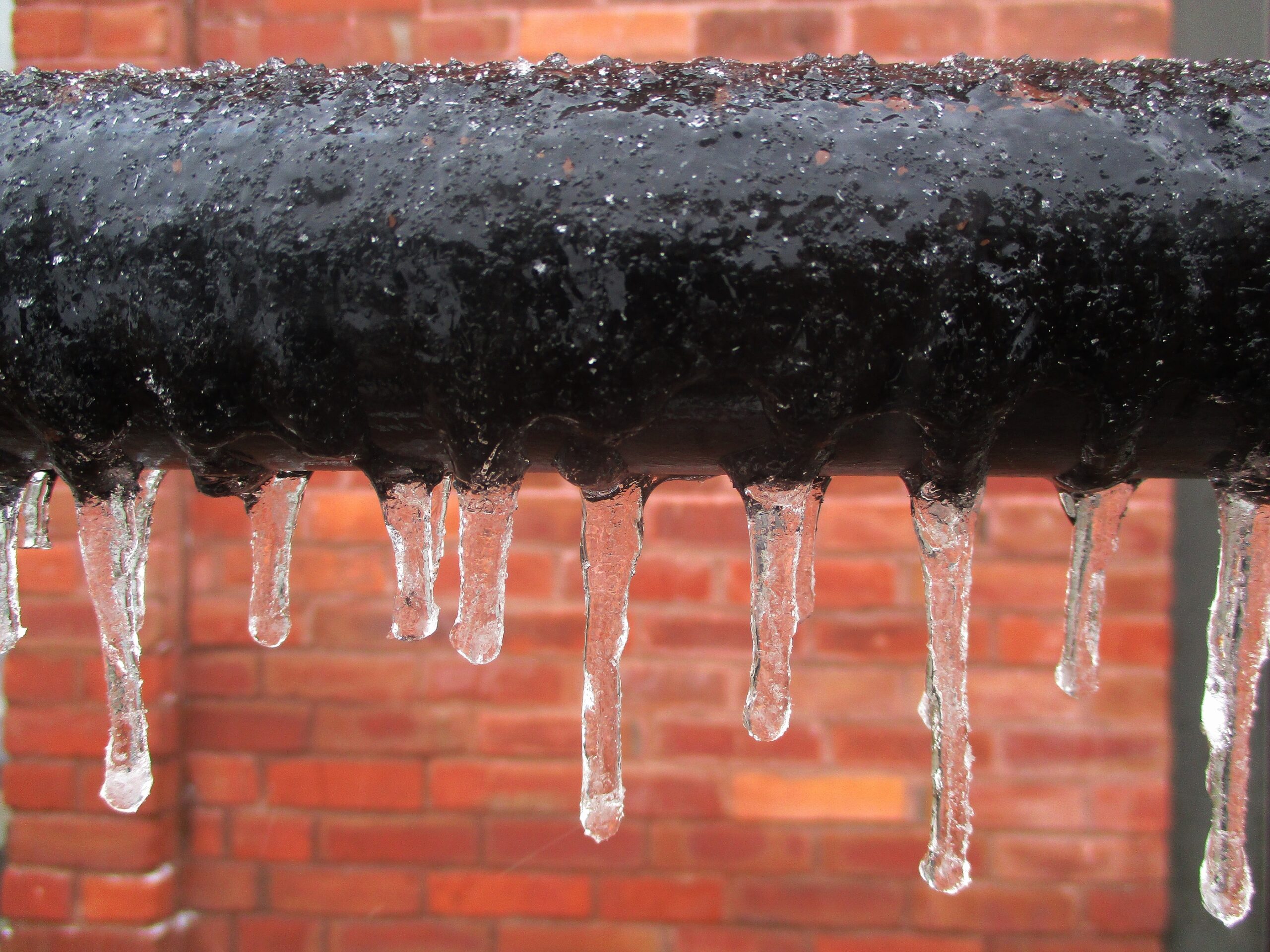
Understanding why pipes freeze, how to spot the warning signs, and what emergency steps to take can save your home from catastrophic damage. At Edmond’s Rooter-Man Plumbers, we respond to frozen pipe emergencies every winter, helping families protect their plumbing systems and avoid disaster.
Why Frozen Pipes Are So Dangerous
Water expands as it freezes, and that expansion puts enormous pressure on the inside of pipes. Even sturdy metal or plastic pipes can crack or burst once ice forms. The most common locations for frozen pipes include:
- Pipes in unheated areas like attics, basements, and garages.
- Outdoor water lines, such as hose bibs and sprinkler systems.
- Pipes running along exterior walls without enough insulation.
- Crawl spaces where cold air circulates freely.
A single burst pipe can cause widespread water damage to floors, drywall, and personal belongings. Beyond structural harm, leaks may create mold growth, leading to health problems and expensive cleanup.
Signs Your Pipes May Be Frozen
Catching frozen pipes early can make the difference between a quick fix and a major repair. Warning signs often include:
- Little or no water is coming out of faucets.
- Frost is visible on exposed pipes.
- Strange odors are coming from drains, caused by ice blocking airflow.
- Bulging sections of pipe that look swollen.
If you notice these signs, take action immediately before pressure causes the pipe to burst.
Emergency Steps to Take Before Help Arrives
During a freeze, every minute counts. If you suspect your pipes have frozen, here are steps you can take right away:
- Shut off the main water supply to reduce pressure and minimize flooding if a pipe bursts.
- Open faucets to allow water and steam to escape once the ice begins melting.
- Warm the pipe gradually using a hair dryer, heating pad, or portable heater. Always avoid open flames, which can create fire hazards.
- Increase indoor heat and open cabinet doors under sinks to circulate warm air around pipes.
- Call a professional plumber if you cannot locate the frozen section or if pipes are already cracked.
These steps can help stabilize the situation until emergency plumbing services arrive.
Long-Term Prevention for Frozen Pipes
While emergency responses are vital, prevention is the best way to protect your plumbing system. Homeowners in Tomball and Northwest Houston can reduce the risk of frozen pipes with these strategies:
- Insulate exposed pipes in attics, basements, crawl spaces, and garages. Foam sleeves or heat tape can provide extra protection.
- Seal air leaks around windows, doors, and wall penetrations where cold air enters.
- Disconnect garden hoses and shut off outdoor faucets before temperatures drop.
- Keep interior temperatures consistent even when away from home. Never let your thermostat fall too low during cold weather.
- Let faucets drip slightly during freezing nights to keep water moving and prevent ice buildup.
A professional inspection before winter can also identify vulnerable areas and ensure your home is prepared.
How Professional Plumbers Handle Frozen Pipe Emergencies
Emergency plumbing specialists use tools and techniques designed to safely thaw pipes and minimize damage. Some of the methods include:
- Specialized heating equipment to warm pipes evenly without damaging them.
- Pipe thawing machines that use electrical currents for safe, controlled heating.
- Leak detection tools to check for cracks or weak spots once the ice is gone.
- Immediate repairs or replacements for damaged pipe sections.
Professionals also inspect surrounding areas to make sure hidden leaks are not missed. This full-service approach ensures that once your water is flowing again, you won’t face secondary issues like mold or unnoticed leaks later.
Problems We Solve for Homeowners in This Area
Homeowners in Tomball and Northwest Houston face unique challenges with frozen pipes because of fluctuating temperatures. Common problems we solve include:
- Slab leaks are caused by underground pipes freezing and cracking.
- Outdoor plumbing lines are freezing due to sudden temperature drops.
- Burst pipes in poorly insulated attics and crawl spaces.
- Plumbing damage was discovered only after thawing.
Edmond’s Rooter-Man Plumbers specializes in emergency repairs and prevention, offering fast solutions designed for the needs of this region.
FAQs About Frozen Pipes in Tomball and Northwest Houston
Q1: Can frozen pipes thaw on their own?
Yes, but waiting is risky because pressure can cause a burst. It’s best to take action right away.
Q2: How long does it take for pipes to freeze in cold weather?
Pipes can freeze in just a few hours if temperatures drop below 20°F, especially without insulation.
Q3: What should I avoid when thawing frozen pipes?
Avoid open flames such as torches. They can damage pipes or start fires.
Q4: Are certain types of pipes more likely to freeze?
Yes, uninsulated copper and plastic pipes are highly vulnerable to freezing.
Q5: Should I call a plumber after my pipes thaw?
Yes, a plumber should check for hidden cracks or leaks that may not be visible right away.
Protect your home from frozen pipe disasters. Call Edmond’s Rooter-Man Plumbers at 281.351.4422 for fast emergency service in Tomball and Northwest Houston.