

Detecting Leaks Behind Walls: The Tools Professionals Use That Homeowners Don’t Have
Hidden leaks are one of the most frustrating plumbing problems for homeowners. A pipe tucked behind drywall can slowly drip for weeks without anyone noticing, leaving behind warped walls, mold growth, and expensive water damage. In areas like Tomball and Northwest Houston, where homes often have slab foundations and complex plumbing layouts, these hidden leaks are more common than people realize.
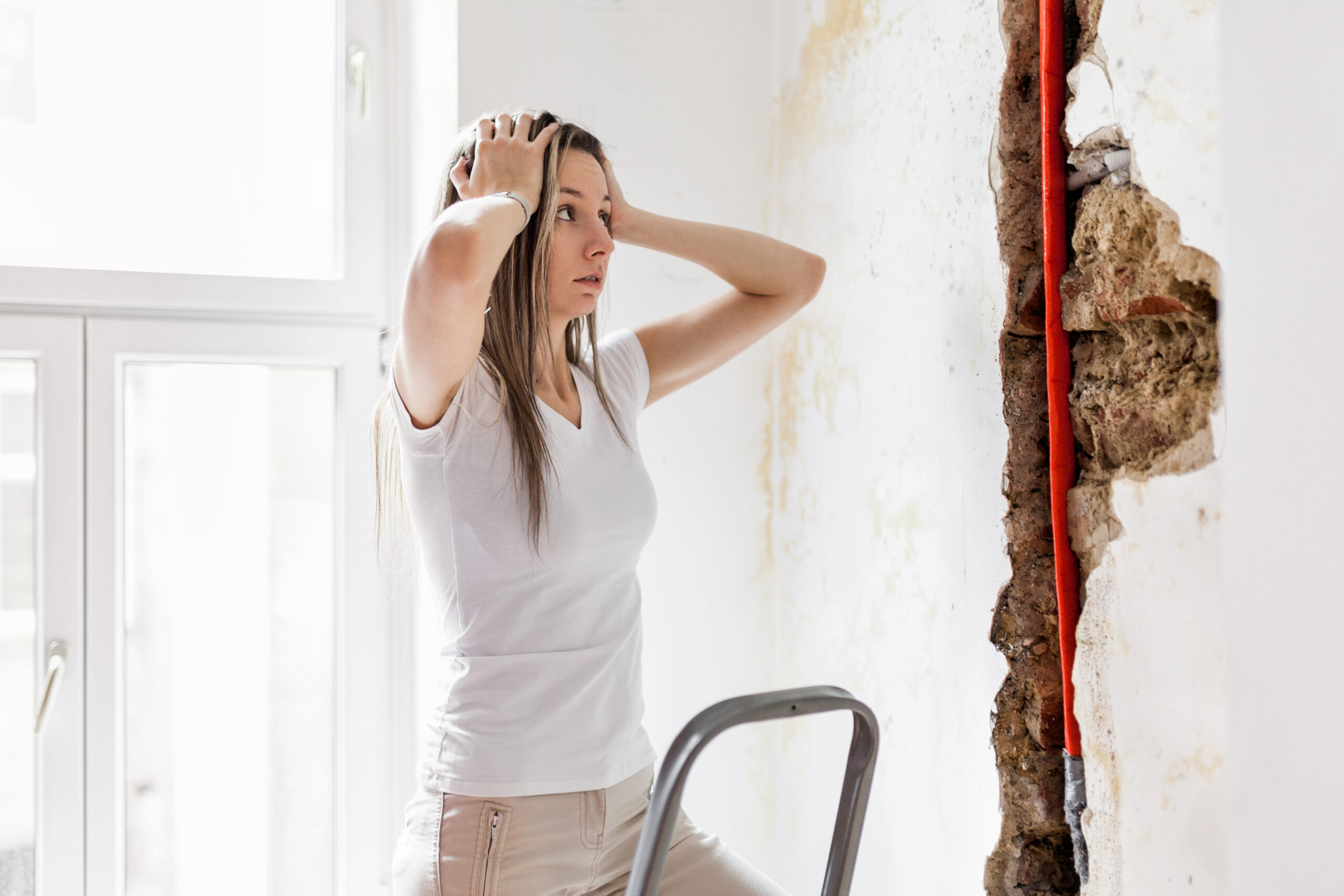
Catching a leak behind a wall is tricky because there are few visible signs at first. You might notice a faint musty odor, peeling paint, or an unusual water bill. By the time water stains appear, the damage has already spread. That is why professional leak detection is so valuable. Licensed plumbers use advanced tools that go far beyond what a homeowner has in their toolbox. These tools find the exact location of the leak without unnecessary demolition, saving time, money, and stress.
Why Leaks Behind Walls Are So Risky
A hidden leak doesn’t just waste water. It weakens drywall, damages insulation, and creates a breeding ground for mold and mildew. Even small drips can compromise structural wood framing if they persist long enough. Unlike a faucet leak you can see and fix quickly, leaks behind walls silently build up damage until the repair becomes urgent.
For homeowners in Tomball and Northwest Houston, the high humidity in the region makes mold growth from hidden leaks even faster. That means early detection is key not just to protect your house but also to safeguard your family’s health.
Tools Professionals Use for Leak Detection
Homeowners might try to guess where a leak is by knocking on walls or searching for wet spots, but these methods are rarely accurate. Professional plumbers have access to advanced technology designed specifically to pinpoint leaks without tearing apart your home. Here are the main tools they use:
Acoustic Listening Devices
These devices use highly sensitive microphones to pick up the sound of water escaping from a pipe. Even the faintest drip or spray can be heard through drywall or concrete. By moving the sensor along walls and floors, plumbers can zero in on the leak’s location.
Thermal Imaging Cameras
Thermal cameras detect temperature differences on surfaces. Since leaking water is often cooler or warmer than the surrounding materials, the camera highlights unusual spots that indicate moisture. This is especially helpful when leaks are slow and don’t create obvious stains yet.
Moisture Meters
Moisture meters measure the water content of building materials. By pressing the device against walls, plumbers can identify areas where moisture levels are higher than normal, confirming the presence of hidden leaks.
Endoscopic Cameras
Sometimes plumbers use small, flexible cameras inserted through tiny access holes. These cameras provide a direct view of what is happening inside walls without requiring major demolition.
Pressure Testing Equipment
Pressure tests involve sealing sections of the plumbing system and monitoring for drops in water pressure. A drop indicates a leak is present, and other tools help narrow down its location.
Why Homeowner Methods Often Fall Short
Some homeowners try DIY approaches like cutting into drywall or placing towels near suspected leaks. While these methods may provide clues, they often create more damage than the leak itself. Without the right tools, it is nearly impossible to find the exact source. Guesswork can lead to multiple holes in the walls and still leave the problem unsolved.
Professional plumbers combine experience with technology to get accurate results the first time. That means less disruption to your home and faster repairs.
Signs You May Have a Leak Behind a Wall
Before calling a plumber, homeowners should know the warning signs of hidden leaks. Common indicators include:
- A sudden spike in water bills without increased use.
- Musty odors or damp smells inside rooms.
- Paint or wallpaper bubbling or peeling.
- Warped baseboards or soft spots in drywall.
- The sound of dripping water with no visible source.
Even one of these signs is enough reason to call for professional leak detection. Acting quickly can save thousands of dollars in repairs.
Problems We Solve in Tomball and Northwest Houston
Homeowners in this region face recurring leak issues due to unique local factors. Edmond’s Rooter-Man Plumbers often solves:
- Slab leaks that push water into walls.
- Aging pipes that corrode and leak in older homes.
- Poorly installed fixtures that allow slow drips.
- High water pressure is stressing joints and fittings.
- Leaks hidden in second-floor bathrooms that spread to rooms below.
Our specialized tools and training help us address these problems before they spiral into major damage.
FAQs About Detecting Leaks Behind Walls in Tomball and Northwest Houston
Q1: Can I use a moisture meter from a hardware store to find leaks myself?
Consumer-grade meters may detect dampness but are not precise enough to locate leaks accurately.
Q2: Do thermal cameras always find leaks behind walls?
Thermal imaging is effective but usually works best in combination with other tools for confirmation.
Q3: How much damage can a hidden leak cause before I notice it?
Even a slow leak can create mold and damage drywall within weeks if left unchecked.
Q4: Is tearing into walls always necessary to fix a leak?
Not always. With proper detection, plumbers can minimize wall access and keep repairs focused.
Q5: How often should I have my home inspected for hidden leaks?
Annual plumbing inspections help spot risks early, especially in older homes or after foundation shifts.
Protect your home from hidden water damage. Call Edmond’s Rooter-Man Plumbers at 281.351.4422 for expert leak detection in Tomball and Northwest Houston.