

How Modern Backflow Systems Keep Your Commercial Plumbing Safe and Code-Compliant
Backflow rarely crosses the mind of most business owners until a serious plumbing issue stops operations or puts water safety at risk. Many commercial properties in Tomball and Northwest Houston use heavy-duty equipment, irrigation systems, pressure washers, industrial dishwashers, and large HVAC systems that place extra strain on the plumbing. These systems create pressure changes that can pull contaminated water backward into clean water lines. That single moment can create a major health risk, damage equipment, or trigger code violations.
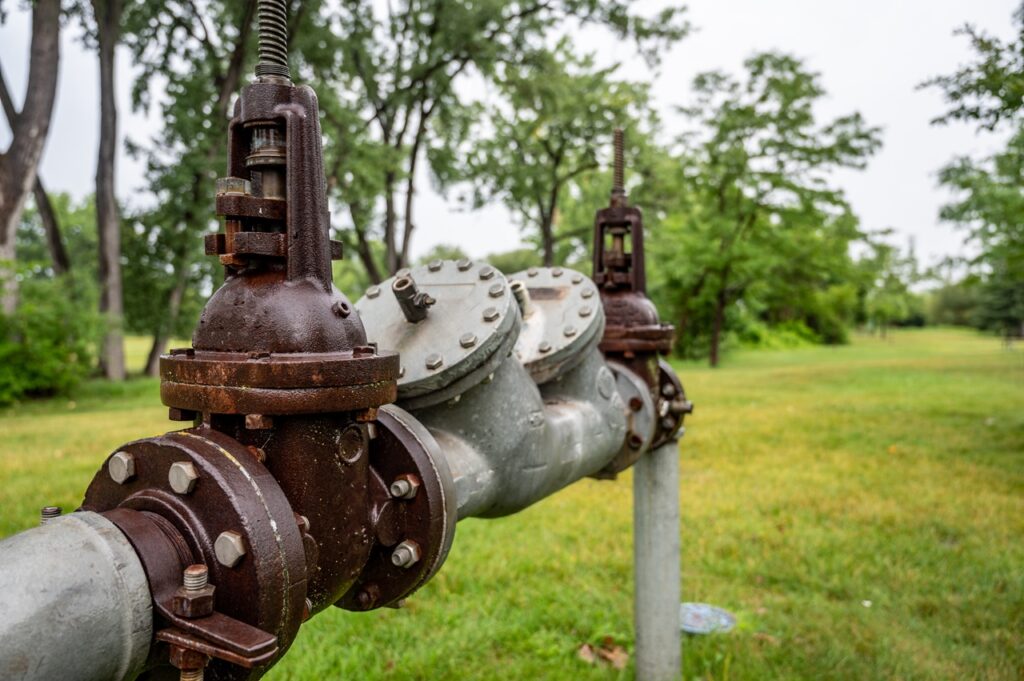
Modern backflow systems step in to prevent these problems. These devices use smart mechanical designs to control water movement and stop contaminated water from ever entering your potable supply. This simple but powerful safeguard plays a huge role in protecting employees, customers, and the public. It also keeps your business in compliance with local plumbing regulations, which reduces the risk of penalties or forced shutdowns. Understanding why these systems matter helps property owners and managers stay ahead of major plumbing issues and maintain a safer building.
How Backflow Happens in Commercial Plumbing
Backflow occurs when water moves in the opposite direction it should. Clean water normally flows from the city supply into your building. The moment a pressure change happens, water can shift backward and pull dirty water into those same clean lines.
Several conditions create this risk in commercial environments:
- Fire suppression equipment pulling large amounts of water
- Irrigation systems with fertilizer exposure
- Pressure washers connected to outdoor hose bibs
- High-demand restroom facilities with sudden water pressure drops
- Large water heaters cycling on during peak hours
Every one of those situations can produce sudden pressure changes. Once the pressure drops, contaminated water can get sucked into a shared line. That single event can affect the entire building and every water fixture connected to it.
How Modern Backflow Prevention Devices Fix the Problem
Modern backflow systems use a simple idea: they only allow water to move in one direction. As soon as pressure drops or a reverse flow tries to form, the device reacts by closing, venting, or isolating that section of pipe.
Several types of backflow prevention devices work well for commercial buildings:
1. Reduced Pressure Zone (RPZ) Assemblies
RPZ units provide the highest level of protection. These devices include two check valves and a relief valve that opens if either check valve fails. Businesses with chemical exposure, irrigation, industrial cleaning, or high water demand often use RPZ systems.
2. Double Check Valve Assemblies (DCVA)
DCVA systems use two spring-loaded check valves to prevent water reversal. They work well for commercial buildings that don’t handle chemicals or fertilizers but still need strong protection.
3. Pressure Vacuum Breakers (PVB)
PVB devices protect irrigation systems by preventing back-siphonage. They sit above ground and include an air inlet valve that opens if pressure drops, blocking contaminated water from moving backward.
Modern devices react quickly and reset on their own. With proper testing and maintenance, these systems protect your entire building without interrupting daily operations.
Why Backflow Prevention Matters for Commercial Buildings
Backflow risks look small on paper, but the impact can shut down a business. Water safety affects employees, customers, and the public. Plumbing codes in Texas treat backflow as a high-priority issue, which means commercial buildings must meet strict requirements.
A modern backflow system helps your business by:
- Protecting your drinking water
- Preventing contamination from chemicals, bacteria, and debris
- Reducing liability concerns
- Meeting inspection and code requirements
- Avoiding penalties or forced closures
- Protecting expensive appliances and machinery
- Keeping water pressure stable
Restaurants, medical facilities, office buildings, retail centers, schools, and warehouses all benefit from these systems. Clean water affects every part of a commercial operation, and backflow prevention keeps the entire supply safe.
Where Backflow Risks Commonly Appear in Commercial Properties
Every commercial building has unique plumbing needs, but backflow risks often show up in the same places across Tomball and Northwest Houston.
Common problem areas include:
- Irrigation systems near landscaping chemicals
- Commercial dishwashers
- Mop sinks
- Fire sprinkler systems
- Boilers and water heaters
- Cooling towers
- Outdoor hose connections
- Industrial cleaning equipment
These systems create high-pressure or contaminated environments that require the right type of backflow protection. A proper inspection helps identify which devices your building needs to stay compliant and safe.
How Professional Backflow Testing Keeps Your System Reliable
Modern backflow systems only work well when they receive regular testing. Texas regulations require annual backflow testing for commercial properties. Testing confirms that check valves, relief valves, and vacuum breakers open and close properly.
Professional testing includes:
- Checking valve springs for proper tension
- Measuring pressure levels
- Inspecting for mineral buildup or debris
- Cleaning internal components
- Confirming the device responds instantly to pressure changes
- Ensuring all connections seal tightly
This process ensures the system protects you every day. It also keeps your business compliant with local requirements and prevents sudden failures that could contaminate your water supply.
Benefits of Upgrading to Modern Backflow Systems
Older backflow devices can lag, stick, or fail under heavy demand. Buildings with aging plumbing see more backflow risks because pressure fluctuations happen more often. Upgrading to a modern system brings several key benefits:
- Faster response time
- Better protection for high-demand buildings
- Stronger internal components
- Increased reliability during sudden pressure drops
- Better compatibility with irrigation and fire suppression systems
- Longer lifespan
- Improved code compliance
New devices also make annual testing faster and more accurate, since they produce more reliable readings and include updated safety features.
Advanced Tools Used in Professional Backflow Inspections
Professional plumbers use advanced tools to diagnose backflow issues and confirm system safety. These tools include:
- Digital pressure gauges
- Differential pressure test kits
- Flow meters
- Video inspection systems for downstream lines
- Remote sensors for large commercial facilities
These tools allow plumbers to pinpoint issues quickly. Accurate testing reduces the risk of false readings or unnoticed failures that could affect your water supply.
Common Backflow Problems Faced by Commercial Properties in Tomball & Northwest Houston
Many local businesses face pressure changes due to weather, irrigation cycles, water main work, and heavy daily usage. These conditions often lead to:
- Pressure drops during peak usage hours
- Contaminated irrigation water entering supply lines
- Faulty backflow devices stuck open due to debris
- Outdated plumbing failing to support modern equipment
- Water discoloration from cross-connection issues
- Code violations from missing annual testing
These problems create health risks and can interrupt business operations. Modern backflow equipment paired with regular testing solves these issues and keeps your plumbing system stable.
Frequently Asked Questions
What is the purpose of a backflow prevention system?
A backflow system stops contaminated water from reversing direction and entering the clean water supply. This protects employees, customers, and equipment.
How often should commercial backflow devices be tested?
Texas requires annual backflow testing for commercial buildings, though high-demand facilities often benefit from biannual testing.
What signs show a backflow device is failing?
Common signs include water discoloration, sudden pressure changes, unusual odors at fixtures, and irrigation water backing into indoor lines.
Do commercial kitchens need stronger backflow protection?
Yes. Kitchens use chemicals, cleaning equipment, and high-volume fixtures that increase contamination risk. Stronger devices protect the entire building.
Who should install or test a backflow system in Tomball and Northwest Houston?
Licensed backflow-certified plumbers should handle installation, testing, and repair to ensure safety and code compliance.
Protect your business with trusted backflow services from Edmond’s Rooter-Man Plumbers. Call 281.351.4422 for expert help in Tomball and Northwest Houston.